Social Psychology 2nd Canadian Edition Kassin Pdf Merge
• • • • • • • • • • Social psychology is the of how people's,, and are influenced by the actual, imagined, or implied presence of others. In this definition, scientific refers to the method of investigation.
The terms thoughts, feelings, and behaviors include all variables that are in a human being. The statement that others' presence may be imagined or implied suggests that we are prone to social influence even when no other people are present, such as when watching television, or following internalized. Social psychologists typically explain as a result of the interaction of and immediate social. Social psychologists therefore deal with the factors that lead us to behave in a given way in the presence of others, and look at the conditions under which certain behavior/actions and feelings occur. Social psychology is concerned with the way these feelings, thoughts, beliefs, intentions and goals are constructed and how such psychological factors, in turn, influence our interactions with others. Social psychology is a discipline that had traditionally bridged the gap between psychology and.
During the years immediately following there was frequent collaboration between psychologists and sociologists. However, the two disciplines have become increasingly specialized and isolated from each other in recent years, with sociologists focusing on 'macro variables' (e.g., social structure) to a much greater extent. Nevertheless, to social psychology remain an important counterpart to psychological research in this area. In addition to the split between psychology and sociology, there has been a somewhat less pronounced difference in emphasis between American social psychologists and social psychologists. As a generalization, American researchers traditionally have focused more on the individual, whereas Europeans have paid more attention to group level phenomena (see ). Contents • • • • • • • • • • • • • • • • • • • History [ ] Although there were some older treatises about social psychology, such as those by Islamic philosopher (Alpharabius), the discipline of social psychology, as its modern-day definition, began in the United States at the dawn of the 20th century.
Essentials of Psychology, Fourth Edition, offers an integrated. Foundations of Neuropsychology 626. A Brief History of Neuropsychology 627. Modules and Networks 628. Lesion Analysis 629. Neuropsychological Testing 630. Subfield of social psychology, which is described in the chapter by that.
However, the discipline had already developed a significant foundation. Following the 18th century, those in the emerging field of social psychology were concerned with developing concrete explanations for different aspects of human nature. They desired to discover concrete cause and effect relationships that explained the social interactions in the world around them.
In order to do so, they believed that the, an empirically based scientific measure, could be applied to human behavior. The first published study in this area was an experiment in 1898 by, on the phenomenon of. During the 1930s, many psychologists, most notably, fled to the United States from Nazi Germany. They were instrumental in developing the field as something separate from the and schools that were dominant during that time, and social psychology has always maintained the legacy of their interests in and. And phenomena were the most commonly studied topics in this era.
[ ] During World War II, social psychologists studied and for the U.S. After the war, researchers became interested in a variety of social problems, including issues and. Most notable, revealing, and contentious of these were the on. In the sixties, there was growing interest in new topics, such as,, and. By the 1970s, however, social psychology in America had reached a crisis. There was heated debate over the ethics of laboratory experimentation, whether or not attitudes really predicted behavior, and how much science could be done in a cultural context.
This was also the time when a radical approach challenged the relevance of self and personality in psychology. Throughout the 1980s and 1990s social psychology reached a more mature level. Two of the areas social psychology matured in were theories and methods. Careful now regulate research.
And perspectives have emerged. Modern researchers are interested in many phenomena, but,, and the self-concept are perhaps the greatest areas of growth in recent years. Social psychologists have also maintained their applied interests with contributions in the social psychology of health, education, law, and the workplace. Intrapersonal phenomena [ ] Attitudes [ ]. Main article: In social psychology, attitudes are defined as learned, global evaluations of a person, object, place, or issue that influence thought and action.
[ ] Put more simply, attitudes are basic expressions of approval or disapproval, favorability or unfavorability, or as Bem put it, likes and dislikes. Examples would include liking chocolate ice cream, or endorsing the values of a particular political party. Social psychologists have studied attitude formation, the structure of attitudes, attitude change, the function of attitudes, and the relationship between attitudes and behavior. Because people are influenced by the situation, general attitudes are not always good predictors of specific behavior. For example, for a variety of reasons, a person may value the environment but not recycle a can on a particular day. In recent times, research on attitudes has examined the distinction between traditional, self-reported attitude measures and 'implicit' or unconscious attitudes.
For example, experiments [ ] using the have found that people often demonstrate implicit bias against other races, even when their explicit responses reveal equal mindedness. One study found that explicit attitudes correlate with verbal behavior in interracial interactions, whereas implicit attitudes correlate with nonverbal behavior. One hypothesis on how attitudes are formed, first advanced by in 1983, is that strong likes and dislikes are rooted in our. Tesser speculates that individuals are disposed to hold certain strong attitudes as a result of inborn physical, sensory, and, temperament, and. Whatever disposition nature elects to give us, our most treasured attitudes are often formed as a result of exposure to attitude objects; our history of rewards and punishments; the attitude that our parents, friends, and enemies express; the social and cultural context in which we live; and other types of experiences we have. Obviously, attitudes are formed through the basic process of learning. Numerous studies have shown that people can form strong positive and negative attitudes toward neutral objects that are in some way linked to emotionally charged stimuli.: 185–186 Attitudes are also involved in several other areas of the discipline, such as,, social perception, and.
Persuasion [ ]. Main article: The topic of persuasion has received a great deal of attention in recent years. Persuasion is an active method of influence that attempts to guide people toward the adoption of an attitude, idea, or behavior by rational or emotive means.
Persuasion relies on 'appeals' rather than strong pressure. Numerous variables have been found to influence the persuasion process; these are normally presented in five major categories: who said what to whom and how. • The, including,,, and. • The, including varying degrees of, (such as fear), one-sided or two sided arguments, and other types of informational content.
• The, including a variety of,, and. • The Channel or, including the printed word, radio, television, the internet, or face-to-face interactions. • The Context, including the environment, group dynamics, and preamble to the message. [ ] of persuasion (such as the ) maintain that the persuasive process is mediated by two separate routes; central and peripheral. The central route of persuasion is more fact-based and results in longer lasting change, but requires motivation to process.
The peripheral route is more superficial and results in shorter lasting change, but does not require as much motivation to process. An example of a peripheral route of persuasion might be a politician using a flag lapel pin, smiling, and wearing a crisp, clean shirt.
Notice that this does not require motivation to be persuasive, but should not last as long as persuasion based on the central route. If that politician were to outline exactly what they believed, and their previous voting record, this would be using the central route, and would result in longer lasting change, but would require a good deal of motivation to process. Social cognition [ ]. Main article: Social cognition is a growing area of social psychology that studies how people perceive, think about, and remember information about others. Much research rests on the assertion that people think about (other) people differently from non-social targets. This assertion is supported by the social cognitive deficits exhibited by people with Williams syndrome and autism. Is the study of how people form impressions of others.
The study of how people form beliefs about each other while interacting is known as. A major research topic in social cognition is attribution.
Attributions are the explanations we make for people's behavior, either our own behavior or the behavior of others. We can ascribe the locus of a behavior to either internal or external factors. An internal, or dispositional, attribution assigns behavior to causes related to inner traits such as personality, disposition, character or ability. An external, or situational, attribution involves situational elements, such as the weather.: 111 A second element, attribution, ascribes the cause of behavior to either stable or unstable factors (whether the behavior will be repeated or changed under similar circumstances).
Finally, we also attribute causes of behavior to either controllable or uncontrollable factors: how much control one has over the situation at hand. Numerous biases in the attribution process have been discovered. For instance, the is the tendency to make dispositional attributions for behavior, overestimating the influence of personality and underestimating the influence of situations.: 724 The actor-observer difference is a refinement of this bias, the tendency to make dispositional attributions for other people's behavior and situational attributions for our own.: 107 The is the tendency to attribute dispositional causes for successes, and situational causes for failure, particularly when self-esteem is threatened.
This leads to assuming one's successes are from innate traits, and one's failures are due to situations, including other people.: 109 Other ways people protect their self-esteem are by, blaming victims for their suffering, and making, which explain our behavior in ways which defend us from feelings of vulnerability and mortality.: 111 Researchers have found that mildly individuals often lack this bias and actually have (as measured by the opinions of others). Are cognitive short cuts. Instead of weighing all the evidence when making a decision, people rely on heuristics to save time and energy. Tricaster Virtual Set Editor Vse 2 on this page. The occurs when people estimate the of an outcome based on how easy that outcome is to imagine. As such, vivid or highly memorable possibilities will be perceived as more likely than those that are harder to picture or are difficult to understand, resulting in a corresponding cognitive bias. [ ] The representativeness heuristic is a shortcut people use to categorize something based on how similar it is to a prototype they know of.: 63 Numerous other biases have been found by social cognition researchers. The is a of having predicted events, or an exaggeration of actual predictions, after becoming aware of the outcome.
The is a type of bias leading to the tendency to search for, or interpret information in a way that confirms one's preconceptions. [ ] Another key concept in social cognition is the assumption that reality is too complex to easily discern. As a result, we tend to see the world according to simplified schemas or images of reality. Are generalized mental representations that organize knowledge and guide information processing. Schemas often operate and unintentionally, and can lead to biases in perception and memory.
Expectations from schemas may lead us to see something that is not there. One experiment found that people are more likely to misperceive a weapon in the hands of a black man than a white man. This type of schema is actually a, a generalized set of beliefs about a particular group of people (when incorrect, an ). Stereotypes are often related to negative or preferential attitudes (prejudice) and behavior (). Schemas for behaviors (e.g., going to a restaurant, doing laundry) are known as scripts. [ ] Self-concept [ ]. Main article: Self-concept is a term referring to the whole sum of beliefs that people have about themselves.
However, what specifically does self-concept consist of? According to Hazel Markus (1977), the self-concept is made up of cognitive molecules called – beliefs that people have about themselves that guide the processing of self-reliant information.
For example, an athlete at a university would have multiple selves that would process different information pertinent to each self: the student would be one 'self,' who would process information pertinent to a student (taking notes in class, completing a homework assignment, etc.); the athlete would be the 'self' who processes information about things related to being an athlete (recognizing an incoming pass, aiming a shot, etc.). These 'selves' are part of one's identity and the self-reliant information is the information that relies on the proper 'self' to process and react on it. If a 'self' is not part of one's identity, then it is much more difficult for one to react. For example, a civilian may not know how to handle a hostile threat as a trained Marine would. The Marine contains a 'self' that would enable him/her to process the information about the hostile threat and react accordingly, whereas a civilian may not contain that self, disabling them from properly processing the information from the hostile threat and, furthermore, debilitating them from acting accordingly. Self-schemas are to an individual’s total self–concept as a hypothesis is to a theory, or a book is to a library. A good example is the body weight self-schema; people who regard themselves as over or underweight, or for those whom body image is a significant self-concept aspect, are considered schematics with respect to weight.
For these people a range of otherwise mundane events – grocery shopping, new clothes, eating out, or going to the beach – can trigger thoughts about the self. In contrast, people who do not regard their weight as an important part of their lives are a-schematic on that attribute. It is rather clear that the self is a special object of our. Whether one is mentally focused on a, a, a foul smell, the song that is stuck in one's head, or this sentence, is like a spotlight. This can shine on only one object at a time, but it can switch rapidly from one object to another and process the information out of. [ ] In this spotlight the self is front and center: things relating to the self have the spotlight more often.
[ ] The self's ABCs are affect, behavior, and cognition. An affective (or emotional) question: How do people evaluate themselves, enhance their self-image, and maintain a secure sense of identity? A behavioral question: How do people regulate their own actions and present themselves to others according to interpersonal demands? A question: How do individuals become themselves, build a self-concept, and uphold a stable sense of identity?: 53 Affective forecasting is the process of how one would feel in response to future events. Studies done by and in 2003 have shown that people overestimate the strength of reaction to anticipated positive and negative life events that they actually feel when the event does occur. There are many theories on the perception of our own behavior.
Daryl Bem's (1972) self-perception theory claims that when internal cues are difficult to interpret, people gain self-insight by observing their own behavior. 's 1954 is that people evaluate their own abilities and opinions by comparing themselves to others when they are uncertain of their own ability or opinions. There is also the: that changes in facial expression can lead to corresponding changes in emotion.: 56 The fields of social psychology and have merged over the years, and social psychologists have developed an interest in self-related phenomena. In contrast with traditional personality theory, however, social psychologists place a greater emphasis on cognitions than on traits. Much research focuses on the, which is a person's understanding of his or her self. The self-concept is often divided into a cognitive component, known as the self-schema, and an evaluative component, the self-esteem.
The need to maintain a healthy is recognized as a central human in the field of social psychology. [ ] beliefs are associated with the self-schema. These are expectations that performance on some task will be effective and successful. Social psychologists also study such self-related processes as and. [ ] People develop their self-concepts by varied means, including, feedback from others,, and social comparison. By comparison to relevant others, people gain information about themselves, and they make inferences that are relevant to self-esteem.
Social comparisons can be either 'upward' or 'downward,' that is, comparisons to people who are either higher in status or ability, or lower in status or ability. Downward comparisons are often made in order to elevate self-esteem. [ ] Self-perception is a specialized form of attribution that involves making inferences about oneself after observing one's own behavior. Psychologists have found that too many extrinsic rewards (e.g.
Money) tend to reduce intrinsic motivation through the self-perception process, a phenomenon known as. People's attention is directed to the reward and they lose interest in the task when the reward is no longer offered. This is an important exception to theory. Interpersonal phenomena [ ] Social influence [ ]. Main article: Social influence is an overarching term given to describe the persuasive effects people have on each other. It is seen as a fundamental value in social psychology and overlaps considerably with research on attitudes and persuasion. The three main areas of social influence include:,, and.
Social influence is also closely related to the study of group dynamics, as most principles of influence are strongest when they take place in social groups. The first major area of social influence is conformity.
Conformity is defined as the tendency to act or think like other members of a group. The identity of members within a group, i.e. Status, similarity, expertise, as well as cohesion, prior commitment, and accountability to the group help to determine the level of conformity of an individual.
Individual variation among group members plays a key role in the dynamic of how willing people will be to conform.: 27 Conformity is usually viewed as a negative tendency in American culture, but a certain amount of conformity is adaptive in some situations, as is nonconformity in other situations.: 15. Which line matches the first line, A, B, or C? In the, people frequently followed the majority judgment, even when the majority was (objectively) wrong.
The second major area of social influence research is compliance. Refers to any change in behavior that is due to a request or suggestion from another person. The is a compliance method in which the persuader requests a small favor and then follows up with requesting a larger favor, e.g., asking for the time and then asking for ten dollars.
A related trick is the. The third major form of social influence is; this is a change in behavior that is the result of a direct order or command from another person. Obedience as a form of compliance was dramatically highlighted by the, wherein people were ready to administer shocks to a person in distress on a researcher's command.: 41 An unusual kind of social influence is the. This is a prediction that, in being made, actually causes itself to become true. For example, in the, if it is widely believed that a is imminent, investors may lose confidence, sell most of their stock, and thus actually cause the crash.
Similarly, people may expect hostility in others and actually induce this hostility by their own behavior.: 18 Group dynamics [ ]. Main article: A can be defined as two or more individuals that are connected to each another. Groups tend to interact, influence each other, and share a common identity.
They have a number of emergent qualities that distinguish them from: •: Implicit rules and expectations for group members to follow, e.g. Saying thank you, shaking hands. •: Implicit rules and expectations for specific members within the group, e.g. The oldest sibling, who may have additional responsibilities in the family. •: Patterns of liking within the group, and also differences in prestige or status, e.g., leaders, popular people. Temporary groups and aggregates share few or none of these features, and do not qualify as true social groups. People waiting in line to get on a bus, for example, do not constitute a group.
[ ] Groups are important not only because they offer social support, resources, and a feeling of belonging, but because they supplement an individual's self-concept. To a large extent, humans define themselves by the group memberships which form their. The shared social identity of individuals within a group influences intergroup behavior, the way in which groups behave towards and perceive each other. These perceptions and behaviors in turn define the social identity of individuals within the interacting groups. The tendency to define oneself by membership in a group may lead to intergroup discrimination, which involves favorable perceptions and behaviors directed towards the in-group, but negative perceptions and behaviors directed towards the out-group. On the other hand, such discrimination and segregation may sometimes exist partly to facilitate a diversity which strengthens society.
Intergroup discrimination leads to prejudice and stereotyping, while the processes of social facilitation and encourage extreme behaviors towards the out-group. Groups often moderate and improve, [ ] and are frequently relied upon for these benefits, such as in committees and juries. A number of group biases, however, can interfere with effective decision making. For example, group polarization, formerly known as the 'risky shift,' occurs when people polarize their views in a more extreme direction after group discussion. More problematic is the phenomenon of. This is a collective thinking defect that is characterized by a premature consensus or an incorrect assumption of consensus, caused by members of a group failing to promote views which are not consistent with the views of other members.
Groupthink occurs in a variety of situations, including isolation of a group and the presence of a highly directive leader. Janis offered the 1961 as a historical case of groupthink. Groups also affect performance and. Social facilitation, for example, is a tendency to work harder and faster in the presence of others. Social facilitation increases the 's likelihood, which tends to improve performance on simple tasks and reduce it on complex tasks.
[ ] In contrast, is the tendency of individuals to when working in a group. Social loafing is common when the task is considered unimportant and individual contributions are not easy to see. [ ] Social psychologists study group-related (collective) phenomena such as the behavior of. An important concept in this area is, a reduced state of that can be caused by feelings of anonymity. Deindividuation is associated with uninhibited and sometimes dangerous behavior. It is common in crowds and mobs, but it can also be caused by a disguise, a uniform, alcohol, dark environments, or online anonymity. Main article: A major area in the study of people's relations to each other is interpersonal attraction.
This refers to all forces that lead people to like each other, establish relationships, and (in some cases) fall in. Several general principles of attraction have been discovered by social psychologists, but many still continue to experiment and do research to find out more. One of the most important factors in interpersonal attraction is how similar two particular people are. The more similar two people are in general attitudes, backgrounds, environments, worldviews, and other traits, the more probable an attraction is possible.
[ ] is an important element of romantic relationships, particularly in the early stages characterized by high levels of. Later on, similarity and other compatibility factors become more important, and the type of love people experience shifts from passionate to companionate. Has suggested that there are actually three components of love: intimacy, passion, and commitment.
When two (or more) people experience all three, they are said to be in a state of consummate love. According to, relationships are based on rational choice and cost-benefit analysis. If one partner's costs begin to outweigh his or her benefits, that person may leave the relationship, especially if there are good alternatives available.
This theory is similar to the proposed by mathematicians and economists (despite the fact that human relationships are not ). With time, long term relationships tend to become communal rather than simply based on exchange. [ ] Research [ ] Methods [ ] Social psychology is an science that attempts to answer questions about human behavior by testing hypotheses, both in the laboratory and in the field. Careful attention to sampling, research design, and is important; results are published in peer reviewed journals such as the, and the. Social psychology studies also appear in general science journals such as and. Involve the researcher altering a variable in the environment and measuring the effect on another variable.
An example would be allowing two groups of children to play violent or nonviolent videogames, and then observing their subsequent level of aggression during free-play period. A valid experiment is controlled and uses.
Examine the statistical association between two naturally occurring variables. For example, one could correlate the amount of violent television children watch at home with the number of violent incidents the children participate in at school. Note that this study would not prove that violent TV causes aggression in children: it is quite possible that aggressive children choose to watch more violent TV. Are purely descriptive and include, 'contrived' observation, participant observation, and archival analysis. These are less common in social psychology but are sometimes used when first investigating a phenomenon. An example would be to unobtrusively observe children on a playground (with a videocamera, perhaps) and record the number and types of aggressive actions displayed. Whenever possible, social psychologists rely on controlled experimentation.
Controlled experiments require the manipulation of one or more in order to examine the effect on a. Experiments are useful in social psychology because they are high in, meaning that they are free from the influence of or extraneous variables, and so are more likely to accurately indicate a causal relationship. However, the small samples used in controlled experiments are typically low in, or the degree to which the results can be generalized to the larger population.
There is usually a trade-off between experimental control () and being able to generalize to the population (). Because it is usually impossible to test everyone, research tends to be conducted on a of persons from the wider.
Social psychologists frequently use research when they are interested in results that are high in external validity. Surveys use various forms of to obtain a sample of respondents that are representative of a population.
This type of research is usually descriptive or correlational because there is no experimental control over variables. However, new statistical methods like are being used to test for potential causal relationships in this type of data. [ ] Some psychologists, including Dr. David Sears, have criticized social psychological research for relying too heavily on studies conducted on university undergraduates in academic settings. Over 70% of experiments in Sears' study used North American undergraduates as subjects, a subset of the population that may not be representative of the population as a whole. Regardless of which method has been chosen to be used, the results are of high importance. Results need to be used to evaluate the hypothesis of the research that is done.
These results should either confirm or reject the original hypothesis that was predicted.There are two different types of testing social psychologists use in order to test their results. Statistics and probability testing define a finding that can be as low as 5% or less, likely to be due to chance. Are important, to ensure that the result is valid and not due to chance, or some feature of a particular sample. Conclusions, often resulting from the or the author's own, are a hazard in the field.
Ethics [ ] The goal of social psychology is to understand cognition and behavior as they naturally occur in a social context, but the very act of observing people can influence and alter their behavior. For this reason, many social psychology experiments utilize to conceal or distort certain aspects of the study. Deception may include false cover stories, false participants (known as confederates or stooges), false feedback given to the participants, and so on. [ ] The practice of deception has been challenged by some psychologists who maintain that deception under any circumstances is unethical, and that other research strategies (e.g., ) should be used instead. Unfortunately, research has shown that role-playing studies do not produce the same results as deception studies and this has cast doubt on their validity. [ ] In addition to deception, experimenters have at times put people into potentially uncomfortable or embarrassing situations (e.g., the and ), and this has also been criticized for ethical reasons. To protect the rights and well-being of research participants, and at the same time discover meaningful results and insights into human behavior, virtually all social psychology research must pass an review process.
At most colleges and universities, this is conducted by an ethics committee. This group examines the proposed research to make sure that no harm is likely to be done to the participants, and that the study's benefits outweigh any possible risks or discomforts to people taking part in the study. Furthermore, a process of is often used to make sure that volunteers know what will happen in the experiment [ ] and understand that they are allowed to quit the experiment at any time. A is typically done at the experiment's conclusion in order to reveal any deceptions used and generally make sure that the participants are unharmed by the procedures. [ ] Today, most research in social psychology involves no more risk of harm than can be expected from routine psychological testing or normal daily activities. [ ] Replication crisis [ ].
Main article: Social psychology has recently found itself at the center of a ' due to some research findings proving difficult to replicate. Replication failures are not unique to social psychology and are found in all fields of science. However, several factors have combined to put social psychology at the center of the current controversy. Firstly, (QRP) have been identified as common in the field. Such practices, while not necessarily intentionally fraudulent, involve converting undesired statistical outcomes into desired outcomes via the manipulation of statistical analyses, sample size or data management, typically to convert non-significant findings into significant ones.
Some studies have suggested that at least mild versions of QRP are highly prevalent. One of the critics of Daryl Bem in the has suggested that the evidence for precognition in this study could (at least in part) be attributed to QRP.
Secondly, social psychology has found itself at the center of several recent scandals involving outright fraudulent research. Most notably the admitted data fabrication by as well as allegations against others.
However, most scholars acknowledge that fraud is, perhaps, the lesser contribution to replication crises. [ ] Third, several effects in social psychology have been found to be difficult to replicate even before the current replication crisis.
For example, the scientific journal has published several studies over the years that fail to provide support for the. Replications appear particularly difficult when research trials are pre-registered and conducted by research groups not highly invested in the theory under questioning.
These three elements together have resulted in renewed attention for replication supported. Scrutiny of many effects have shown that several core beliefs are hard to replicate. A recent special edition of the journal Social Psychology focused on replication studies and a number of previously held beliefs were found to be difficult to replicate. A 2012 special edition of the journal Perspectives on Psychological Science also focused on issues ranging from publication bias to null-aversion that contribute to the replication crises in psychology It is important to note that this replication crisis does not mean that social psychology is unscientific. [ ] Rather this process is a healthy if sometimes acrimonious part of the scientific process in which old ideas or those that cannot withstand careful scrutiny are pruned.
Sahara Heat 1987 Movie Free Download. The consequence is that some areas of social psychology once considered solid, such as social priming, have come under increased scrutiny due to failed replications Famous experiments [ ]. The: The experimenter (E) persuades the participant (T) to give what the participant believes are painful electric shocks to another participant (L), who is actually an actor. Many participants continued to give shocks despite pleas for mercy from the actor. The demonstrated the power of conformity in small groups with a line estimation task that was designed to be extremely easy. On over a third of the trials, participants conformed to the majority, even though the majority judgment was clearly wrong. Seventy-five percent of the participants conformed at least once during the experiment.
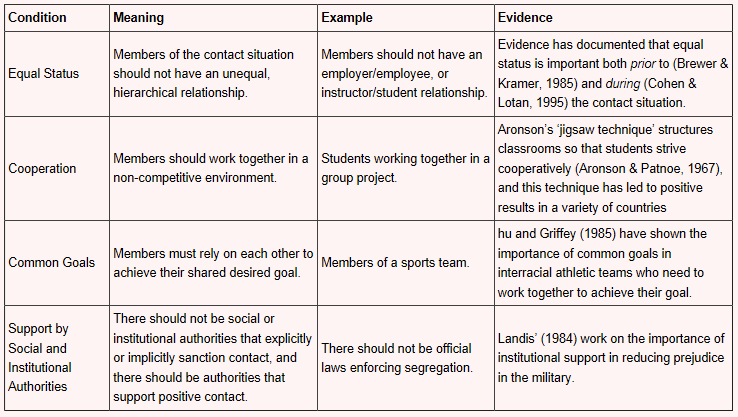
's divided boys into two competing groups to explore how much hostility and aggression would emerge. Sherif's explanation of the results became known as realistic group conflict theory, because the intergroup conflict was induced through competition over resources. Inducing cooperation and later reversed this effect.
In 's cognitive dissonance experiment, participants were asked to perform a boring task. They were divided into 2 groups and given two different pay scales. At the study's end, some participants were paid $1 to say that they enjoyed the task and another group of participants was paid $20 to say the same lie. The first group ($1) later reported liking the task better than the second group ($20).
Festinger's explanation was that for people in the first group being paid only $1 is not sufficient incentive for lying and those who were paid $1 experienced dissonance. They could only overcome that dissonance by justifying their lies by changing their previously unfavorable attitudes about the task. Being paid $20 provides a reason for doing the boring task, therefore no dissonance. One of the most notable experiments in social psychology was the, which studied how far people would go to obey an figure. Following the events of in World War II, the experiment showed that (most) normal American citizens were capable of following orders from an authority even when they believed they were causing an innocent person to suffer.
's demonstrated how aggression is learned. This set of studies fueled debates regarding which continue to be waged among scholars. In the, by, a simulated exercise between student prisoners and guards showed how far people would follow an adopted role. In just a few days, the 'guards' became brutal and cruel, and the prisoners became miserable and compliant.
This was initially argued to be an important demonstration of the power of the immediate social situation and its capacity to overwhelm normal personality traits. However, to this day, it remains a matter of contention what conclusions may be drawn from this study. For example, it has been pointed out that participant self-selection may have affected the participants' behaviour, and that the participants' personality influenced their reactions in a variety of ways, including how long they chose to remain in the study. [ ] One of the most concerted empirical revisitations of the themes raised by Zimbardo came with the 2002. Academic journals [ ].
• Allport, G. 'The historical background of social psychology'. In Lindzey, G; Aronson, E. The Handbook of Social Psychology. P.5 • Sewell, W. 'Some reflections on the golden age of interdisciplinary social psychology'. Annual Review of Sociology.
• Moscovici, S; Markova, I (2006). The Making of Modern Social Psychology. Cambridge, UK: Polity Press. • Amber Haque (2004). 'Psychology from Islamic Perspective: Contributions of Early Muslim Scholars and Challenges to Contemporary Muslim Psychologists'. Journal of Religion and Health.
43 (4): 357–377 [363].. 'Social Psychology as History'. Journal of Personality and Social Psychology. 26: 309–320..
'The dynamogenic factors in pacemaking and competition'.. 9 (4): 507–533..
'Social psychology as history'.. 26 (2): 309–320..
• Kassin, S., Fein, S., & Markus, H.R. Social psychology (10th edition). Belmont, CA: Cengage Learning. • Sison, Erick Louie.
The dynamics of persuasion. New York: Lawrence Erlbaum. • Bem, D (1970). Beliefs, attitudes, and human affairs. Belmont, CA: Brooks/Cole. D; Skowronski, J. 'Improving the Predictive Validity of the Implicit Association Test'..
• ^ Kassin, Saul; Fein, Steven; Markus, Hazel Rose (2008). Social Psychology (7 ed.). Boston, NY: Houghton Mifflin Company..
• Myers, David (2010). Social Psychology, Tenth Edition. New York: McGraw-Hill. • Moskowitz, Gordon B (2005)..
Texts in Social Psychology. • Dobbs, Davis (8 July 2007)... • Reisenzein, Rainer; Rudolph, Udo (2008). '50 Years of Attribution Research'..
39 (3): 123–124... • ^ Aronson, Elliot; Wilson, Timothy D; Akert, Robin M (2010). Social Psychology (7 ed.).. Myers (2007). Psychology (8 ed.). • Andrews, Paul (August 2000).
Retrieved 29 February 2012. • Correll, Joshua; Park, Bernadette; Judd, Charles M; Wittenbrink, Bernd (2002). 'The police officer's dilemma: Using ethnicity to disambiguate potentially threatening individuals'.. 83 (6): 1,314–1,329...
• Markus, Hazel (1977). 'Self-Schemata and Processing Information'.. •; Gilbert, Daniel T (2003). 'Affective Forecasting'. Advances in Experimental Psychology (35): 345–411. • Bem, Daryl J (1972). 'Self Perception Theory'.
Advances in Experimental Social Psychology. Advances in Experimental Social Psychology. 'A theory of social comparison process'.. 7 (2): 117–140.. L; Koestner, R; Ryan, R. 'Extrinsic rewards and intrinsic motivation in education: Reconsidered once again'.
• ^ Aronson, Elliot (2008). The Social Animal (10 ed.). • Cialdini, R.B (2000). Influence: Science and Practice..
• Forsyth, D.R (2006). Group dynamics. Belmont, CA: Thomson-Wadworth. • Tajfel, H; Turner, J.C (1986). 'The social identity theory of intergroup behavior'. In Worchel, S; Austin, W.G.
Psychology of Intergroup Relations. Chicago, Illinois: Nelson-Hall. • Haidt, Jonathan; Rosenberg, Evan; Hom, Holly (2003). 'Differentiating Diversities: Moral Diversity Is Not Like Other Kinds'. Journal of Applied Social Psychology. 33 (1): 1–36..
• Janis, I.L (1972). Victims of Groupthink. Boston, Massachusetts:. •, 'Social Loafing: when groups are bad for productivity,' 19 May 2009.
• In the online domain, e.g., see Rosen, L. D., Cheever, N. A., & Carrier, L. (2015) The Wiley Handbook of Psychology, Technology and Society. Oxford: Wiley Blackwell.
'Thus Interpersonal attraction and attitude similarity have a direct correlation. More so than those with dissimilar attitudes and views, who tend to not be as successful in the attraction department.' 'A Triangular Theory of Love'..
93 (2): 119–135.. • Sears, David (1986). 'College Sophomores in the Laboratory: Influences of a Narrow Data Base on Social Psychology's View of Human Nature'. Journal of Personality and Social Psychology.
• • ^ Simmons, Joseph; Nelson, Leif; Simonsohn, Uri (November 2011)... Washington DC:. 22 (11): 1359–1366.... Retrieved 29 January 2012. • Shea, Christopher (13 November 2011). – via The Chronicle of Higher Education.
Perspectives on Psychological Science. • Etchells, Pete (28 May 2014). – via The Guardian.
• Bartlett, Tom (30 January 2013). – via The Chronicle of Higher Education. • Asch, S.E (1955). 'Opinions and social pressure'.: 31–35.
'Experiments in group conflict'. Scientific American. • Festinger, Leon; Carlsmith, J.M (1959).
'Cognitive consequences of forced compliance'.. 58 (2): 203–211.. • Milgram, Stanley (1975). Obedience to authority. Harper and Bros. • Bandura, Albert; Ross, D; Ross, S.A (1961). 'Transmission of aggression through imitation of aggressive models'.
Journal of Abnormal and Social Psychology. 63 (3): 575–582...
• Haney, C; Banks, W.C; Zimbardo, Philip G (1973). 'Interpersonal dynamics in a simulated prison'. International Journal of Criminology and Penology. • Carnahan, Thomas; McFarland, Sam (2007). 33 (5): 603–614... • Reicher, S; Haslam, S.A (2006). 'Rethinking the psychology of tyranny: The BBC prison study'.
British Journal of Social Psychology. 45 (1): 1–40.. External links [ ] about Social psychology • • Wikimedia Commons has media related to. Wikiversity has learning resources about.
Stanley Milgram Born ( 1933-08-15)August 15, 1933,, U.S. Died December 20, 1984 ( 1984-12-20) (aged 51), New York City, New York, U.S. Cause of death Education (B.A., Political Science, 1954 (Ph.D., Social Psychology, 1960) Known for Title Professor Spouse(s) Alexandra Menkin Milgram Children 2 Parent(s) Samuel and Adele Milgram Stanley Milgram (August 15, 1933 – December 20, 1984) was an American, best known for his controversial conducted in the 1960s during his professorship. Milgram was influenced by the events of the, especially the trial of, in developing the experiment. After earning a PhD in social psychology from, he taught at Yale, Harvard, and then for most of his career as a professor at the, until he died in 1984. His while at Harvard led researchers to analyze the degree of connectedness, including the concept. Later in his career, Milgram developed a technique for creating interactive hybrid social agents (), which has since been used to explore aspects of social- and self-perception.
He is widely regarded as one of the most important figures in the history of social psychology. A survey, published in 2002, ranked Milgram as the 46th-most-cited psychologist of the 20th century. Main article: In 1963, Milgram submitted the results of his obedience experiments in the article 'Behavioral Study of Obedience'. In the ensuing controversy, the held up his application for membership for a year because of questions about the ethics of his work, but eventually did grant him full membership. Ten years later, in 1974, Milgram published Obedience to Authority. He won the in 1964, mostly for his work on the social aspects of obedience.
Inspired in part by the 1961 trial of, his models were later also used to explain the 1968 (including authority training in the military, depersonalizing the 'enemy' through racial and cultural differences, etc.). He produced a film depicting his experiments, which are considered classics of social psychology. An article in American Psychologist sums up Milgram's obedience experiments: In Milgram's basic paradigm, a subject walks into a laboratory believing that s/he is about to take part in a study of memory and learning. After being assigned the role of a teacher, the subject is asked to teach word associations to a fellow subject (who in reality is a collaborator of the experimenter). The teaching method, however, is unconventional—administering increasingly higher electric shocks to the learner.
Once the presumed shock level reaches a certain point, the subject is thrown into a conflict. On the one hand, the strapped learner demands to be set free, he appears to suffer pain, and going all the way may pose a risk to his health. On the other hand, the experimenter, if asked, insists that the experiment is not as unhealthy as it appears to be, and that the teacher must go on. In sharp contrast to the expectations of professionals and laymen alike, some 65% of all subjects continue to administer shocks up to the very highest levels. More recent tests of the experiment have found that it only works under certain conditions; in particular, when participants believe the results are necessary for the 'good of science'. According to Milgram, 'the essence of obedience consists in the fact that a person comes to view himself as the instrument for carrying out another person's wishes, and he therefore no longer sees himself as responsible for his actions.
Once this critical shift of viewpoint has occurred in the person, all of the essential features of obedience follow.' Thus, 'the major problem for the subject is to recapture control of his own regnant processes once he has committed them to the purposes of the experimenter.' Besides this hypothetical agentic state, Milgram proposed the existence of other factors accounting for the subject's obedience: politeness, awkwardness of withdrawal, absorption in the technical aspects of the task, the tendency to attribute impersonal quality to forces that are essentially human, a belief that the experiment served a desirable end, the sequential nature of the action, and anxiety.
A competing explanation of Milgram's results invokes as the underlying factor. What 'people cannot be counted on is to realize that a seemingly benevolent authority is in fact malevolent, even when they are faced with overwhelming evidence which suggests that this authority is indeed malevolent. Hence, the underlying cause for the subjects' striking conduct could well be conceptual, and not the alleged 'capacity of man to abandon his humanity... As he merges his unique personality into larger institutional structures.' ' Inspired by the horrific events of Nazi Germany, Milgram's obedience experiments have been used to explain a range of social influences on the individual—including how police interrogators can get innocent people to confess to crimes they did not commit.
At the same time, these experiments have come under attack. Some critics questioned whether subjects sensed the unreality of the situation. Others questioned the relevance of the laboratory setting to the real world.
The most devastating criticisms involved the ethics of the basic experimental design. Professor Milgram, for his part, felt that such misgivings were traceable to the unsavory nature of his results: 'Underlying the criticism of the experiment,' Milgram wrote, 'is an alternative model of human nature, one holding that when confronted with a choice between hurting others and complying with authority, normal people reject authority.' Daniel Raver looks back: Even though Milgram’s personal interests were diverse, his greatest contribution to psychology came through one set of experiments, but in that set he contributed monumentally. He helped justify a science some dismiss as unimportant, contributed to the understanding of humanity, and, even if by way of attacks against him, contributed to the consideration of the treatment of research participants. Small world phenomenon [ ]. Main article: The concept was examined in Milgram's 1967 'small world experiment', which tracked chains of acquaintances in the United States. In the experiment, Milgram sent several packages to 160 random people living in Omaha, Nebraska, asking them to forward the package to a friend or acquaintance who they thought would bring the package closer to a set final individual, a stockbroker from Boston, Massachusetts.
Each 'starter' received instructions to mail a folder via the U.S. Post Office to a recipient, but with some rules. Starters could only mail the folder to someone they actually knew personally on a first-name basis. When doing so, each starter instructed their recipient to mail the folder ahead to one of the latter's first-name acquaintances with the same instructions, with the hope that their acquaintance might by some chance know the target recipient. Given that starters knew only the target recipient's name and address, they had a seemingly impossible task. Milgram monitored the progress of each chain via returned 'tracer' postcards, which allowed him to track the progression of each letter.
Surprisingly, he found that the very first folder reached the target in just four days and took only two intermediate acquaintances. Overall, Milgram reported that chains varied in length from two to ten intermediate acquaintances, with a median of five intermediate acquaintances (i.e.
Six degrees of separation) between the original sender and the destination recipient. Milgram's 'six degrees' theory has been severely criticized.
He did not follow up on many of the sent packages, and as a result, scientists are unconvinced that there are merely 'six degrees' of separation. Elizabeth DeVita–Raebu has discussed potential problems with Milgram's experiment. In 2008, a study by Microsoft showed that the average chain of contacts between users of its '.NET Messenger Service' (later called ) was 6.6 people. Lost letter experiment [ ] Milgram developed a technique, called the 'lost letter' experiment, for measuring how helpful people are to strangers who are not present, and their attitudes toward various groups.
Several sealed and stamped letters are planted in public places, addressed to various entities, such as individuals, favorable organizations like medical research institutes, and stigmatized organizations such as 'Friends of the Nazi Party'. Milgram found most of the letters addressed to individuals and favorable organizations were mailed, while most of those addressed to stigmatized organizations were not. Anti-social behavior experiment [ ] In 1970–71, Milgram conducted experiments which attempted to find a correlation between (in this case, watching television) and anti-social behavior. The experiment presented the opportunity to steal money, donate to charity, or neither, and tested whether the rate of each choice was influenced by watching similar actions in the ending of a specially crafted episode of the popular series.
Cyranoids [ ]. • Goleman, Daniel (1984-12-22).. Retrieved 2016-05-05. • ^ Books.google.com. Retrieved 2016-05-05. Bradley (1933-08-15).. Retrieved 2016-05-05.
• ^ Blass, T. The Man Who Shocked the World: The Life and Legacy of Stanley Milgram. • Haggbloom, Steven J.; Warnick, Jason E.; Jones, Vinessa K.; Yarbrough, Gary L.; Russell, Tenea M.; Borecky, Chris M.; McGahhey, Reagan; et al. Review of General Psychology. 6 (2): 139–152.. CS1 maint: Explicit use of et al.
Retrieved 2016-05-05. • Blass, Thomas (1998). Analyse & Kritik.
Wiesbaden: Westdeutscher Verlag. 20 (1): 49.... Retrieved January 14, 2012.
• Thomas Blass (November 2000). Obedience to Authority: Current Perspectives on the Milgram Paradigm. Psychology Press. •; Markoe, Karen; Markoe, Arnie (August 1, 1998).. New York, NY, USA: Charles Scribner's Sons...
Retrieved August 29, 2012. Retrieved 2016-05-05. Retrieved 2016-05-05. Psychology Today. Retrieved 2016-05-05. • Kirsten Fermaglich. Retrieved 2016-05-05.
• ^ Thomas Blass. Retrieved 2016-05-05. • ^ Thomas Blass.. Retrieved 2016-05-05. • Tartakovsky, Margarita (2011-09-04).. Retrieved 2016-05-05. • Thomas Blass..
Retrieved 2016-05-05. • Thomas Blass. Retrieved 2016-05-05. • ^ Kirsten Fermaglich. Retrieved 2016-05-05. Retrieved 2015-10-23.
• ^ Philip Banyard; Cara Flanagan.. Retrieved 2016-05-05. Cooper (2004-10-01)... Retrieved 2009-07-25. • Goleman, Daniel (December 22, 1984)... Retrieved 2008-08-07. Stanley Milgram, a psychologist widely known for his experiments on obedience to authority, died of a heart attack Thursday night at the Columbia Medical Center.
He was 51 years old and lived in New Rochelle, N.Y. Milgram, who was a professor of psychology at the Graduate. Retrieved 2016-05-05.
• ^ Nissani, Moti (1990). 'A cognitive reinterpretation of Stanley Milgram's observations on obedience to authority'.
American Psychologist. 45 (12): 1384–1385.. Retrieved 19 April 2012. • Milgram, Stanley (1974). Obedience to Authority. New York: Harper & Row. Pp. xii, xiii.
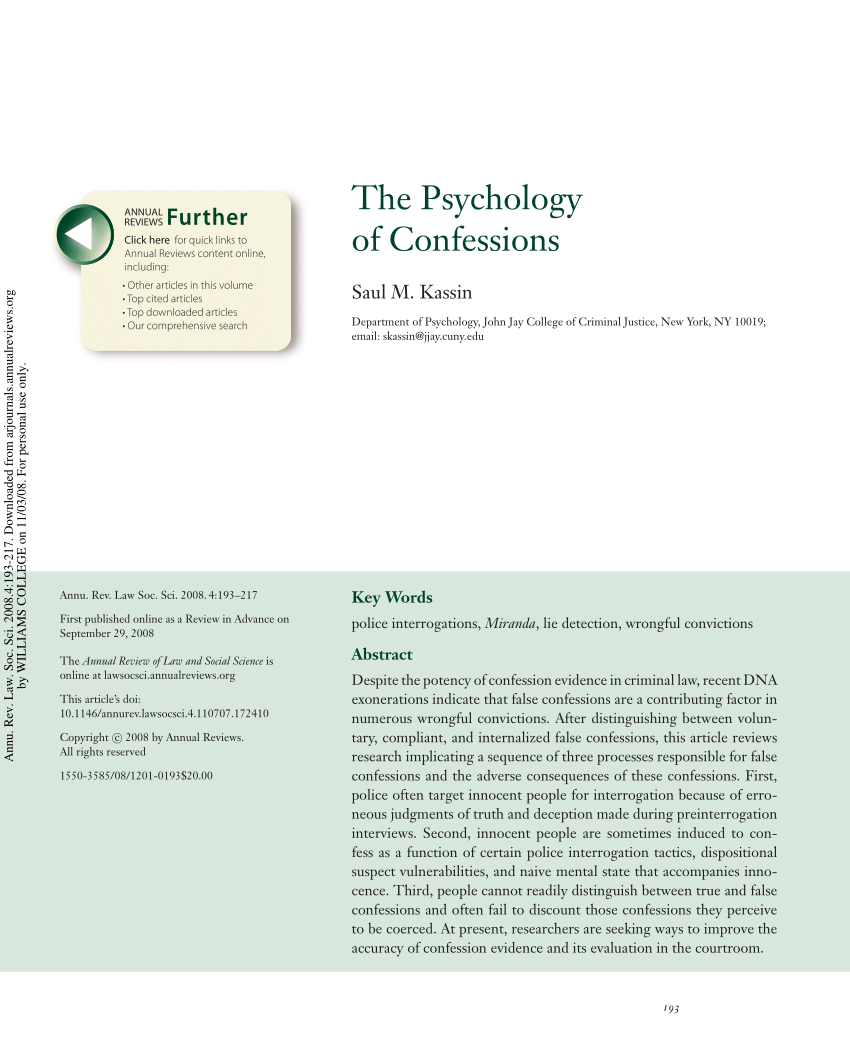
• Kassin, S (2015). 'The social psychology of false confessions'. Social Issues and Policy Review. • Milgram, Stanley (1974). Obedience to Authority. New York: Harper & Row.
Archived from on March 1, 2009. Retrieved 2009-06-22. • Elizabeth DeVita–Raebu (2008-01-28).. DISCOVER Magazine.
Retrieved 2009-06-22. • Jure Leskovec; Eric Horvitz (2008). 'Planetary-Scale Views on an Instant-Messaging Network'.: [].
• Harvey Russell Bernard.. Retrieved 2016-05-05.
Retrieved 2010-06-22. • Milgram, S. In Milgram (Ed), The individual in a social world. New York: McGraw-Hill • Blass, T. The Man Who Shocked the World: The Life and Legacy of Stanley Milgram. New York: Basic Books • Corti, K.; Gillespie, A. The Journal of Social Psychology.
155 (1): 30–56... (2014, September). WIRED • Neuroskeptic. (2014, September)..
Discover • Mitchell, R. Paper presented at SOLSTICE 2010, Lancashire, United Kingdom. • Mitchell, R., Gillespie, A., & O’Neill, B. Paper presented at DESIRE’11, Eindhoven, Netherlands. Spin Magazine.
Retrieved 2015-09-12. Retrieved 2016-05-05. Retrieved 2016-05-05. Enfants Perdus. Retrieved 2016-05-05. Further reading [ ] • Milgram, S.
(1974), Obedience to Authority; An Experimental View • Milgram, S. (1977), The individual in a social world: Essays and experiments. 3rd expanded edition published 2010 by Pinter & Martin,. The Man Who Shocked the World: The Life and Legacy of Stanley Milgram. • Milgram, S.
(1965), Liberating Effects of Group Pressure • Milgram, S.; Liberty; II; Toledo, R.; Blacken, J. 'Response to intrusion in waiting lines'. Journal of Personality and Social Psychology. 51 (4): 683–9.. • Baumann, Michael; Leist, Anton, eds.
[Milgram and the perpetrators of the Holocaust (1998 issue 1 abstracts)] (PDF). Analyse & Kritik (in German and English).
Wiesbaden: Westdeutscher Verlag. 20 (1): 49... Retrieved January 14, 2012. External links [ ] • - site maintained by Dr Thomas Blass • - site documenting Milgram's Obedience to Authority experiment by UK artist Rod Dickinson • - page documenting Milgram's Obedience to Authority experiment • article in Psychology Today by Thomas Blass • article in BMJ by Raj Persaud • by Thomas Blass. • and - papers on the ethics of the Obedience to Authority experiments by Milgram's research assistant, Alan Elms •, Milgram's British publishers • - link to the short film Atrocity, which re-enacts the Milgram Experiment •, Yale University Library • Chapter 1 and Chapter 15 • — Commentary from 50 Psychology Classics (2007).