Dell Vista Upgrade Windows 7 Free Download Programs
If you can’t install iTunes on your Windows PC, or if you see “error 2” or 'Apple Application Support was not found' after you install the software, follow the steps below in order. If you see a different error when trying to launch iTunes, learn how to fix. • Make sure that you're logged in to your computer as an administrator. If you're not sure if you have an administrator account, learn how to. You can also refer to your computer's help system, contact your IT department, or visit for more help.
• Install the latest Microsoft Windows updates. To download the latest updates, visit the website. iTunes for Windows requires Windows 7 or later, with the latest Service Pack installed. If you can’t install the updates, refer to your computer's help system, contact your IT department, or visit for more help. • Download the latest supported version of iTunes for your PC from one of the links below. After you click the link, click Download to download the iTunes installer. When prompted, click Save (instead of Run). ITunes 12.1.3 is the latest version of iTunes supported for Windows XP and Vista.
• Right click on iTunesSetup or iTunes6464Setup (the installer you downloaded in step 3). If you have Windows Vista or later: Choose 'Run as administrator.' If you have Windows XP: Choose Open.
If you've previously installed iTunes, the installer will prompt you to repair the software. After the repair is complete, restart your computer and try launching iTunes. • If iTunes fails to install or repair, it might be necessary to remove components left from a previous installation of iTunes and then reinstall.
Remove and reinstall iTunes and other software components for. Songs you bought from the iTunes Store or imported from CDs are saved in your My Music folder by default. Deleting iTunes won’t delete your music. • Disable conflicting software. Some background processes can cause issues that prevent applications like iTunes from installing. If you installed security software and are having issues installing iTunes for Windows, you might need to to resolve the issues. • Restart your computer.
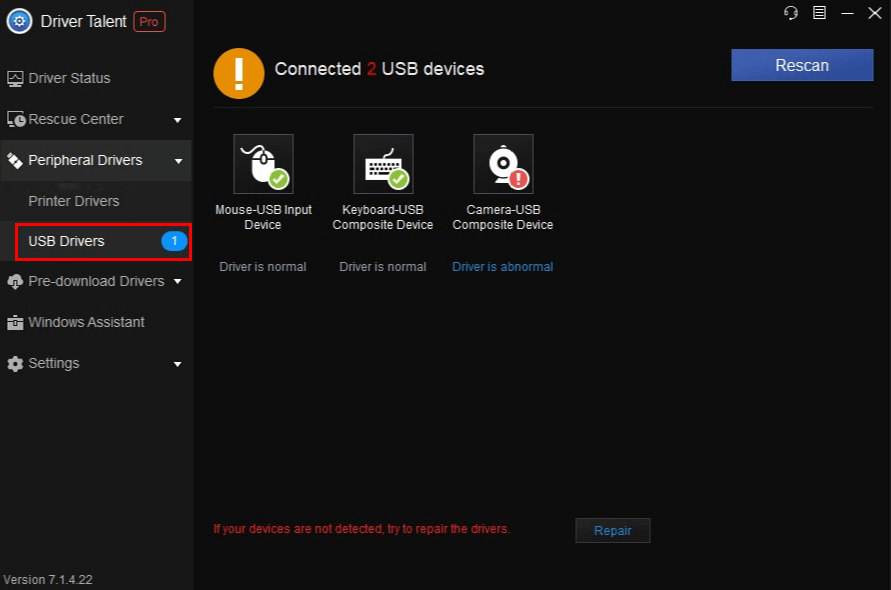
Sep 21, 2017. Table of Contents: Download Windows 7 Drivers for your Dell; Use Windows Update; Use Windows Vista Drivers; Refer to the Hardware Manufacturer. Drivers for your Windows 7 operating system can be downloaded from the Drivers and Downloads page on Dell's support website. For information on.
• After the restart, and adjusting the software running on your PC, install iTunes again. Information about products not manufactured by Apple, or independent websites not controlled or tested by Apple, is provided without recommendation or endorsement. Apple assumes no responsibility with regard to the selection, performance, or use of third-party websites or products.
Apple makes no representations regarding third-party website accuracy or reliability. Risks are inherent in the use of the Internet. For additional information.
Other company and product names may be trademarks of their respective owners.
One of the major differences between upgrading from Windows 7 compared to Windows Vista and XP is, Windows 8 allows you to preserve your installed applications when upgrading from Windows 7. This avoids the need to do things like reinstall hardware drivers and applications. Upgrading also preserves your Windows Settings too. In this scenario, I have a typical Windows 7 setup with some applications installed and some personal files stored in the Documents Library.
In this scenario, we are going to upgrade to Windows 7 while looking at how it preserves your existing investments. Notes: • Gather all important application discs and hardware driver discs you might need to be reinstalled. • Check the manufacturer and software developers website for updates available and to find out about the status of compatibility with Windows 8.
It is possible that if the software is compatible with Windows Vista it will likely work with Windows 8 since they share the same driver model. • If you are using software such as iTunes or Adobe programs, remember to deauthorize and deactivate them before running setup. When making significant changes to your computer such as an upgrade, it is always recommended you backup your system prior to installing a new version of Windows.
Thankfully, all editions of Windows 7 includes system imaging, which means you can backup your entire Windows 7 installation and restore it if it fails. Learn more about how to backup your Window 7 installation In addition to System Imaging, you can backup just your personal files using Backup and Restore, to do that, check out the following article: If you want to backup themes, wallpapers and other minor features, Windows Easy Transfer is another option, you can learn more about it What you can do before attempting the upgrade? You can do some pre-requisite tasks to ensure a smooth migration from Windows 7 to Windows 8. If you are using a name branded computer such as a Dell or HP, go to the manufacturers website for the model computer you are using and download the latest available drivers for that computer. Store them on a disc or USB thumb drive.
Important drivers you should try to obtain include Network and Video Drivers. Its possible that they might just have Windows Vista or Windows 7 drivers, those will work with Windows 8. Other things you can do: • Uninstall any security software before attempting to upgrade. • Disable any encryption software you might have installed. • Disable/uninstall disk utility software such as DVD/CD burning utilities or third party defragment programs such as Perfect Disk. • Make sure your computer is updated (devices and applications).
• Disconnect any external devices before installing. • Check your hard disk for any errors: - Click Start - Type: CMD - Right click CMD then click Run as administrator At the Command Prompt, type: chkdsk /r /f Exit the command prompt. When you restart your system, your computer will be scanned for errors and attempts will be made to correct them.
• Another thing you can do is disable Start items: • Click Start • Type: MSCONFIG. • Hit Enter on your keyboard • On the General tab, click Selective Startup. • Under Selective Startup, click to clear the Load Startup Items check box. • Click the Services tab, click to select the Hide All Microsoft Services check box, and then click Disable All. • When you are prompted, click Restart. • After the computer starts, check whether the problem is resolved. Run the System File Checker utility.
SFC/Scannow checks your Windows installation for errors and corrects them. This will help with ensuring that a smooth upgrade occurs. Click Start Type: CMD, from the results, right click CMD Click ‘Run as Administrator’ At the Command Prompt, type: sfc/scannow This will check for any integrity violations Restart your system 32 or 64 bit My recommendations depend on what you have installed. If you currently have 32 bit Windows 7 installed, use 32 bit Windows 8. If you have 64 bit Windows 7, use 64 bit Windows 8. This is to ensure a smooth migration, especially where driver compatibility is concerned.
Calcolo Tfr Software Gratis. Another factor is RAM. If you have max 3 GBs of RAM, then 32 bit should be sufficient for your needs.
If you happen to have 4 to 8 GBs or more RAM, then 64 bit would be suitable. Windows 64 bit comes in handy when you need to address at least 4 GBs or more of RAM. Windows 32 bit can utilize up to 3.2 GBs of RAM.
Because the memory address space is much larger for 64 bit Windows, that means, you need twice as much memory than 32 bit Windows to accomplish some of the same task, but you are able to do so much more, you can have more applications open, do things like run an Antivirus scan in the background without it affecting your system performance. Windows 64 bit is more secure too, malicious code cannot easily infiltrate it, drivers are more reliable since they must be signed before they can work with 64 bit Windows. As for compatibility, you will need 64 bit device drivers for any hardware devices you might have. Also, there is no 16 bit subsystem in Windows 64 bit, which means, your applications must be 32 bit only, not 16 bit installer or uninstallers. Starting setup To start the installation, first boot to the Windows 7 desktop. If you are installing Windows 8 from a physical DVD these instructions will apply to you. Insert the Windows 8 disc.
When the AutoPlay window appears, click ‘Run setup.exe’. Click Continue when prompted by User Account control.
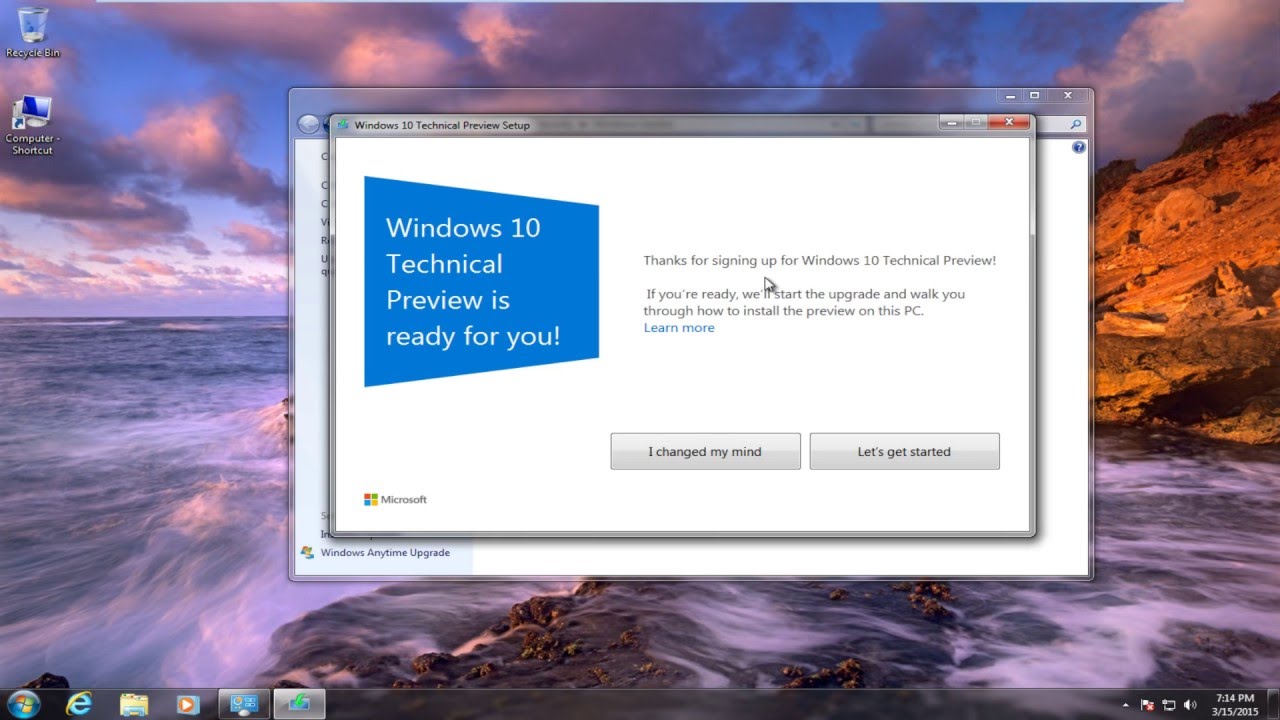
Setup will then begin. Wait while setup prepares to install Windows 8. If prompted to get updates, I recommend you do so. If you are not connected to the Internet, select ‘No, thanks’. Enter your product key. If you purchased Windows 8 from the Microsoft Store and you are using the Windows 8 Upgrade Assistant, the key will be embedded.
If you download a.ISO file or purchased Windows 8 on DVD, check your email when you registered to purchase the upgrade or check your Windows 8 product packaging for the product key. After Entering the product key, click Next to continue with setup. Read and Accept the End User License Agreement. In addition to being able to keep your Windows Settings and Personal files, you can keep your personal files too when upgrading from Windows 7. If you choose Nothing, Windows 8 will place your files in a folder called Windows.old. After making your decision, click Next.
Wait while Windows 8 does some last checks. Depending on your configuration, Windows 8 setup might ask you to uninstall a program or driver then restart your system before it can proceed with the upgrade. Don’t worry though, Windows 8 will resume setup automatically.
In my case, Windows 8 setup needed a restart before it could continue. After restarting, Windows 8 setup, asked if I would like ‘Continue from where I left off’. I clicked Next and setup resumed. At the summary screen, review the changes that will be made to your computer. If you are not sure, click Back and make any appropriate changes.
As noted, you will not be able to use your computer during this period. The time it takes to complete the upgrade will be dependent on your system specifications such as processor speed, memory and your data set. Click the Install button to begin. Windows 8 setup will go into full screen mode and restart several times. After your computer restarts, Windows 8 will continue setup. Windows setup will go through several screens indicating Tasks it needs to complete: • Windows setup will say its ‘Preparing’ • Getting your devices ready.
• Getting system ready Then restart and setup will continue. Windows 8 will now indicate it is ‘Moving your settings’ Out of Box Experience. You will now arrive at the Out of Box Experience where you will setup and personalize your Windows experience. The first option presented is the Color Picker, here you can choose a color that represents you.
You have up to 25 to choose from. If you can’t decide now, you can always do it later. Click Next The settings screen screen allows you to customize whether you want to have Windows send information about Windows to Microsoft to ensure it runs smoothly.
Click Use Express settings if you accept these actions. If you rather not, you can click Customize and make your choices. Download Anime Sumomomo Momomo Sub Indo. Confirm password which you had used to log into your Windows 7 account.
Click Next You have the option of setting up a Microsoft Account which allows you to sync your Windows Settings across multiple Windows 8 devices. You can sync some passwords, themes and application settings. If you don’t want to do that right now, click Skip. You can always switch to a Microsoft Account later.
Windows 8 will instead use your existing account as a Local account. • Wait while Windows 8 finalizes your settings. Wait while Windows 8 does some final configuration. You have successfully migrated from Windows Vista to Windows 8. To check if your files are there, launch the Windows Desktop App.
Launch File Explorer on the Windows Taskbar and open documents and you should see all your files previously in Windows 7. To launch your applications, go to the Start Screen by pointing your mouse pointer to the left hand corner of the Windows 8 screen and click it.
Scroll to the right and launch your application. Best, Andre Windows Insider MVP MVP-Windows and Devices for IT twitter/adacosta groovypost.com. Upgrading from What you can keep Windows 7 Apps, Windows settings, and personal files ===================================== Your applications may or may not be compatible: ==================================== Windows 8 Upgrade Assistant Faqs. Before upgrading to Windows 8, we recommend that you run the Windows 8 Upgrade Assistant. It scans your current PC to see if it is ready for Windows 8 and then provides a compatibility report and optional steps for you to buy, download, and install Windows 8. What does Upgrade Assistant do? 1) It scans your hardware, apps, and connected devices to see if they'll work with Windows 8.
2) It provides a compatibility report. 3) It checks your PC for support of certain Windows 8 features. 4) It provides the option to buy, download, and install Windows 8.
If your PC is ready to go, Upgrade Assistant provides a recommendation on which edition to buy, and walks you through the steps to upgrade. J W Stuart: Never be afraid to ask. This forum has some of the best people in the world available to help.